
-
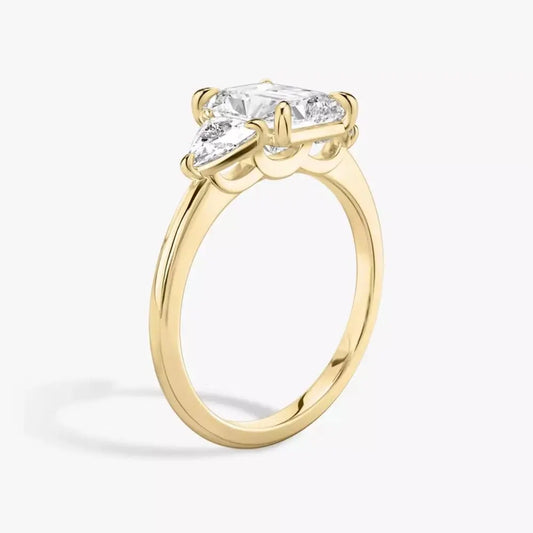
3 Carat Radiant Cut Lab Grown Diamond Engagement Ring, 14K Yellow Gold
Vendor:Future JewelryRegular price 3,750Regular price4,999Sale price 3,750Sale -
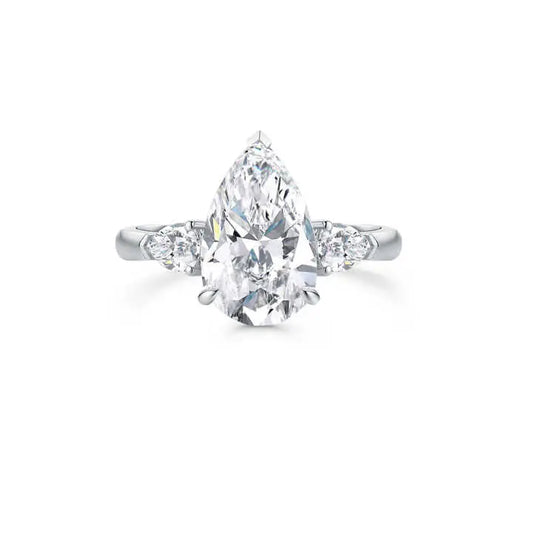
3 Carat Radiant Cut Lab Grown Diamond Engagement Ring, 14K White Gold
Vendor:Future JewelryRegular price 4,400Regular price6,600Sale price 4,400Sale -
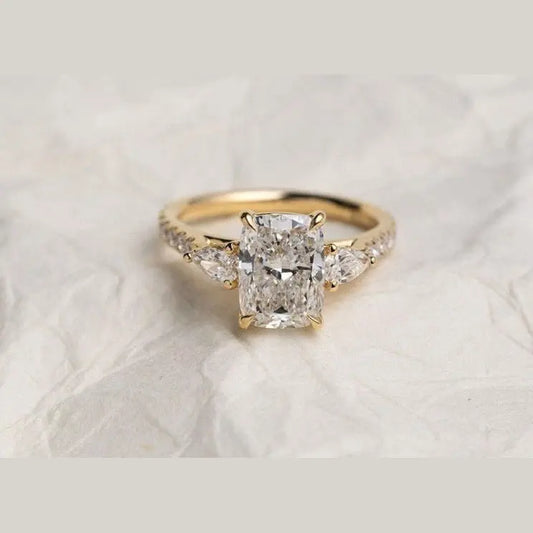
3 Carat Radiant Cut Lab Grown Diamond Engagement Ring, 14K Yellow Gold
Vendor:Future JewelryRegular price 3,800Regular price5,300Sale price 3,800Sale -
3 Carat Radiant Cut Diamond Engagement Ring, 18K White Gold
Vendor:Future JewelryRegular price 3,400Regular price6,000Sale price 3,400Sale -
3 Carat Princess Cut Lab Grown Diamond Engagement Ring, 14K Yellow Gold
Vendor:Future JewelryRegular price 3,600Regular price4,900Sale price 3,600Sale -
3 Carat Princess Cut Lab Grown Diamond Engagement Ring, 14K Yellow Gold
Vendor:Future JewelryRegular price 3,700Regular price4,200Sale price 3,700Sale -
3 Carat Princess Cut Lab Grown Diamond Engagement Ring, 14K White Gold
Vendor:Future JewelryRegular price 3,300Regular price3,900Sale price 3,300Sale -
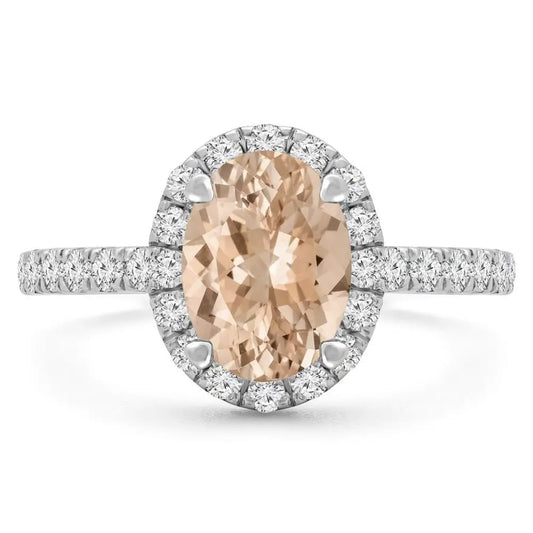
3 Carat Oval Peach Lab Grown Diamond Ring, 14K Gold
Vendor:Future JewelryRegular price 3,400Regular price5,900Sale price 3,400Sale -
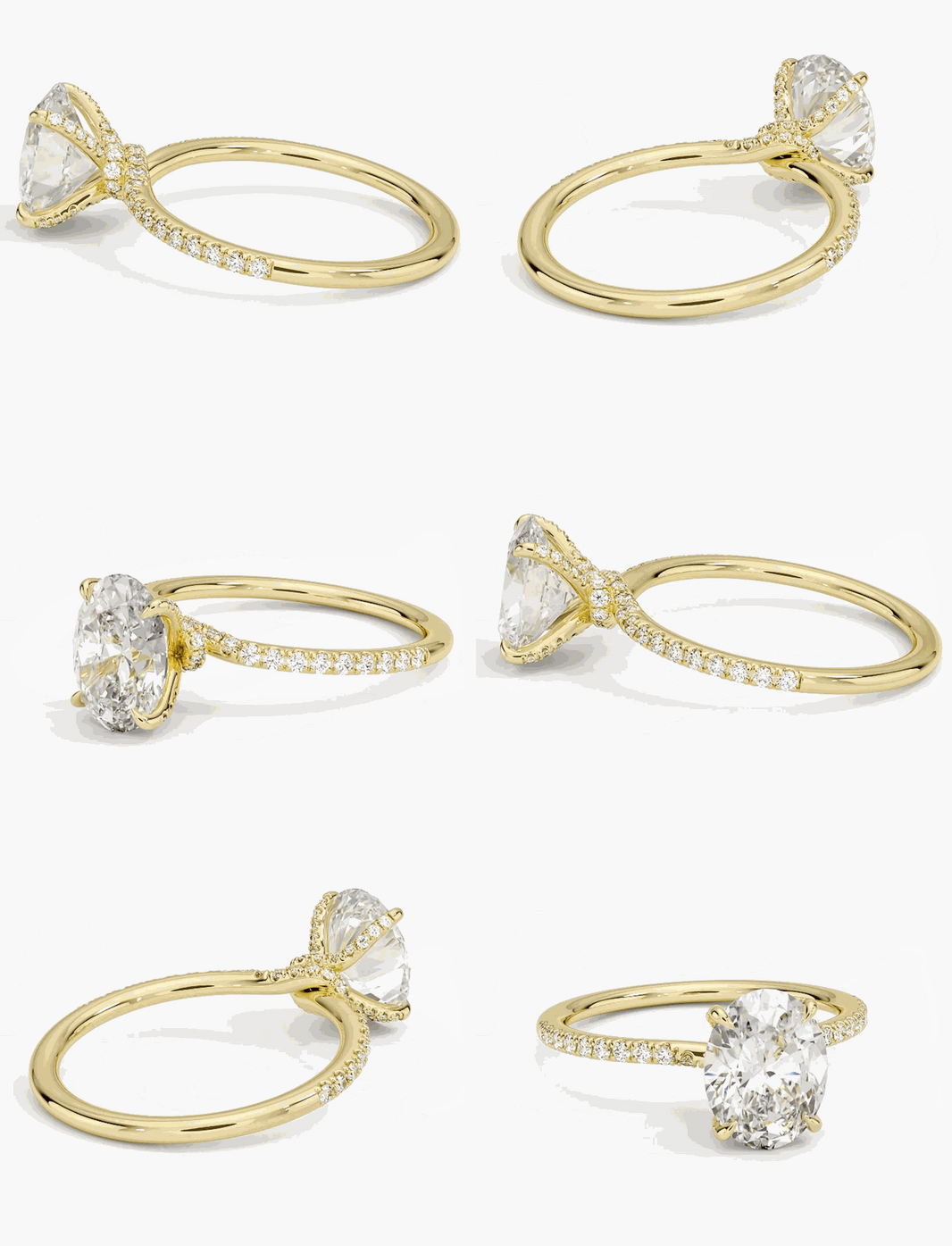
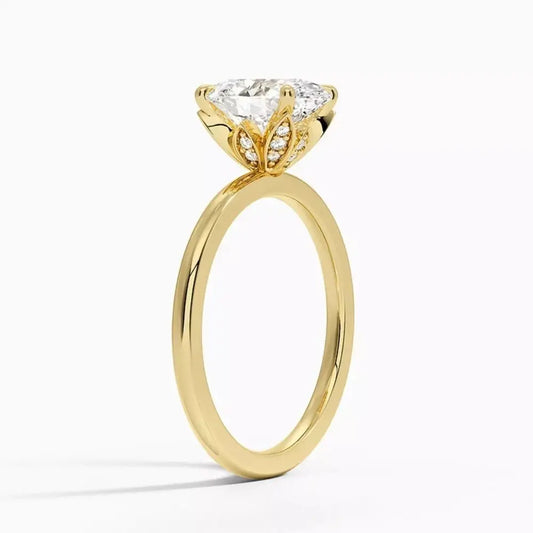
3 Carat Oval Lab Grown Diamond Ring, Hidden Halo, 14K Yellow Gold
Vendor:Future JewelryRegular price From 3,100Regular price9,800Sale price From 3,100Sale -
3 Carat Oval Halo Ring, 14K White Gold
Vendor:Future JewelryRegular price From 3,200Regular price7,000Sale price From 3,200Sale -
3 Carat Oval Lab Grown Diamond Engagement Ring, 18K Rose Gold
Vendor:Future JewelryRegular price 3,600Regular price9,000Sale price 3,600Sale -
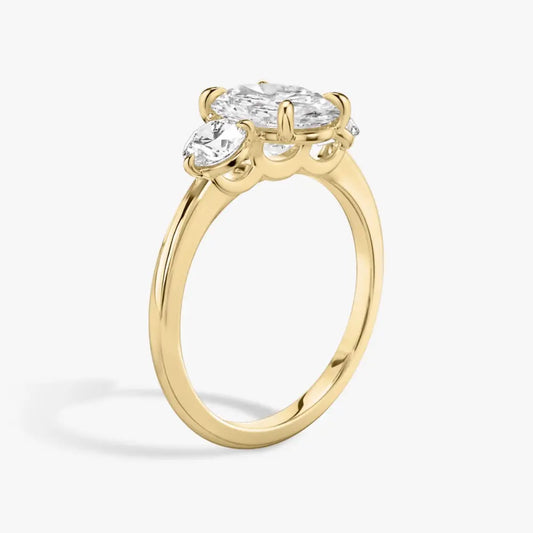
3 Carat Oval Lab Grown Diamond Engagement Ring, 14K Yellow Gold
Vendor:Future JewelryRegular price 3,000Regular price5,000Sale price 3,000Sale -
3 Carat Oval Lab Grown Diamond Engagement Ring, 14K White Gold
Vendor:Future JewelryRegular price 3,300Regular price12,000Sale price 3,300Sale -
3 Carat Oval Lab Grown Diamond Engagement Ring, 14K Yellow Gold
Vendor:Future JewelryRegular price 3,800Regular price4,400Sale price 3,800Sale -
3 Carat Oval Lab Grown Diamond Engagement Ring, 14K Yellow Gold
Vendor:Future JewelryRegular price 3,500Regular price5,300Sale price 3,500Sale -
3 Carat Oval Lab Grown Diamond Engagement Ring, 14K Yellow Gold
Vendor:Future JewelryRegular price 3,990Regular price4,400Sale price 3,990Sale -
3 Carat Oval Lab Grown Diamond Engagement Ring, 14K Yellow Gold
Vendor:Future JewelryRegular price 3,700Regular price4,900Sale price 3,700Sale -
3 Carat Oval Lab Grown Diamond Engagement Ring, 14K Yellow Gold
Vendor:Future JewelryRegular price 3,800Regular price8,900Sale price 3,800Sale -
3 Carat Oval Lab Grown Diamond Ring, 14K Yellow Gold
Vendor:Future JewelryRegular price 3,200Regular price8,600Sale price 3,200Sale -
3 Carat Lab Grown Diamond Engagement Ring
Vendor:Future JewelryRegular price 3,200Regular price -
3 Carat Oval Lab Grown Diamond Engagement Ring, 14K Yellow Gold
Vendor:Future JewelryRegular price 2,600Regular price -
3 Carat Oval Lab Grown Diamond Solitaire Ring, 14K Yellow Gold
Vendor:Future JewelryRegular price 2,400Regular price -
3 Carat Lab Grown Diamond Solitaire Ring, 14K White Gold
Vendor:Future JewelryRegular price 2,500Regular price -
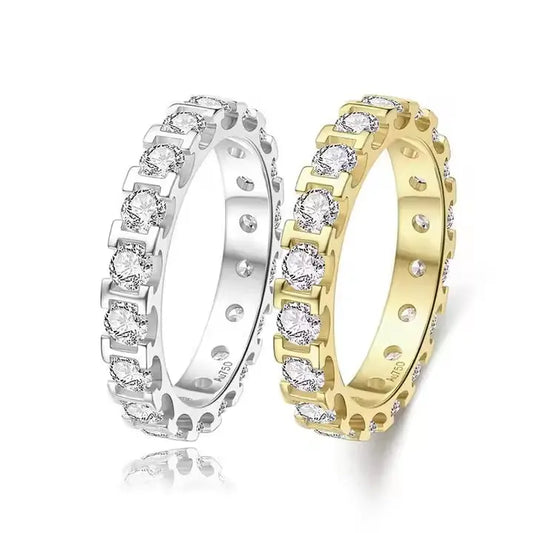
3 Carat Lab Grown Diamond Eternity Ring, 18K Yellow Gold
Vendor:Future JewelryRegular price 2,900Regular price4,500Sale price 2,900Sale -
3 Carat Lab Grown Diamond Engagement Ring, 18K Gold, IGI Certified
Vendor:Future JewelryRegular price From 2,163Regular price10,500Sale price From 2,163Sale -
3 Carat Lab Grown Diamond Engagement Ring, 18K Gold
Vendor:Future JewelryRegular price 3,000Regular price7,000Sale price 3,000Sale -
3 Carat Cushion Lab Grown Diamond Engagement Ring, 18K Yellow Gold
Vendor:Future JewelryRegular price From 2,400Regular price -
3 Carat Lab Grown Diamond Engagement Ring, 14K White Gold
Vendor:Future JewelryRegular price 3,000Regular price -
3 Carat Diamond Hidden Halo Engagement Ring, Pave Band
Vendor:Future JewelryRegular price 4,050Regular price -
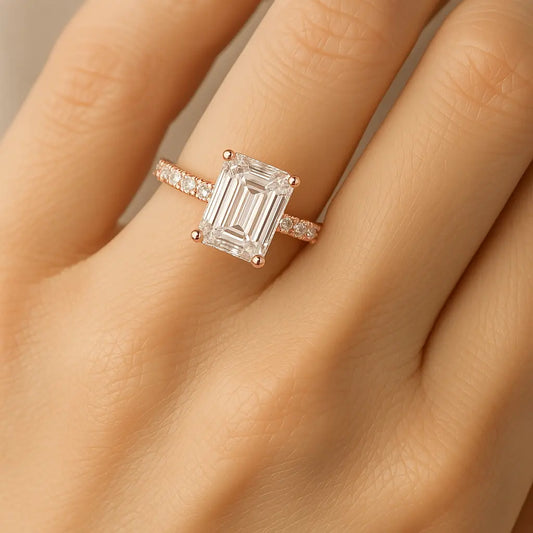
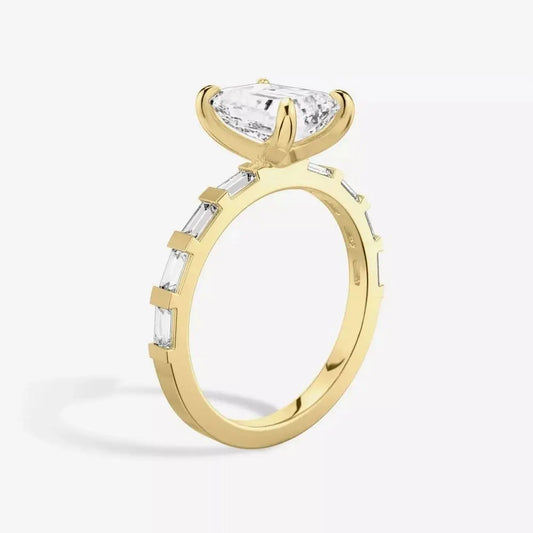
3 Carat Emerald Cut Lab Grown Diamond Engagement Ring, 14K White Gold
Vendor:Future JewelryRegular price From 2,400Regular price -
3 Carat Emerald Cut Lab Grown Diamond Engagement Ring, 14K Yellow Gold
Vendor:Future JewelryRegular price 4,000Regular price7,000Sale price 4,000Sale -
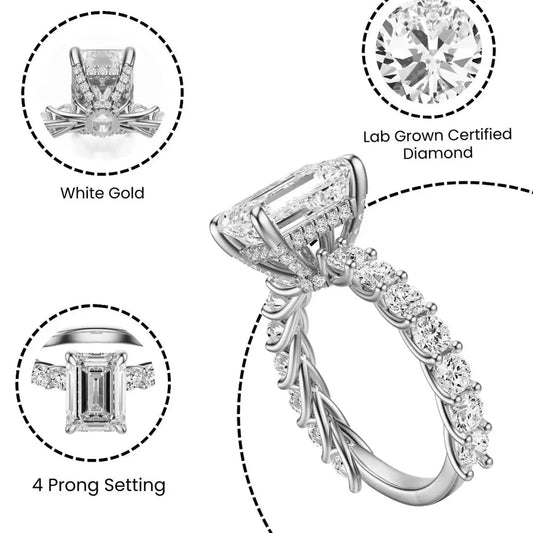
3 Carat Emerald Cut Lab Grown Diamond Engagement Ring, 14K White Gold
Vendor:Future JewelryRegular price 2,700Regular price -
3 Carat Emerald Cut Lab Grown Diamond Engagement Ring, 14K White Gold
Vendor:Future JewelryRegular price 3,300Regular price -
3 Carat Cushion Lab Grown Diamond Engagement Ring, 14K White Gold
Vendor:Future JewelryRegular price 3,900Regular price5,600Sale price 3,900Sale -
3 Carat Cushion Lab Grown Diamond Engagement Ring, 14K White Gold
Vendor:Future JewelryRegular price From 3,400Regular price5,000Sale price From 3,400Sale -
2.91 Carat Round Lab Grown Diamond Engagement Ring, 14K Gold
Vendor:Future JewelryRegular price 3,000Regular price








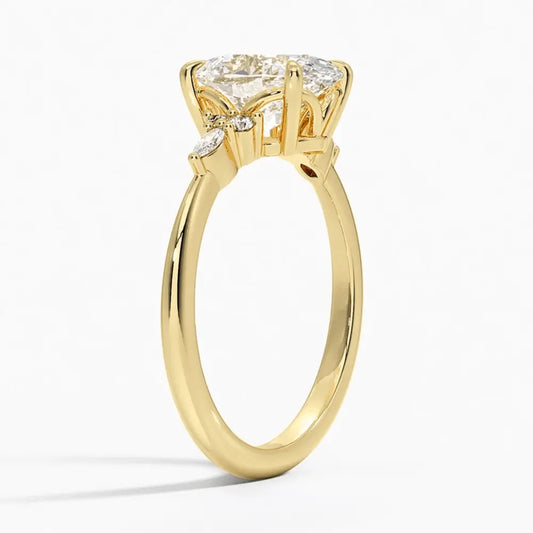




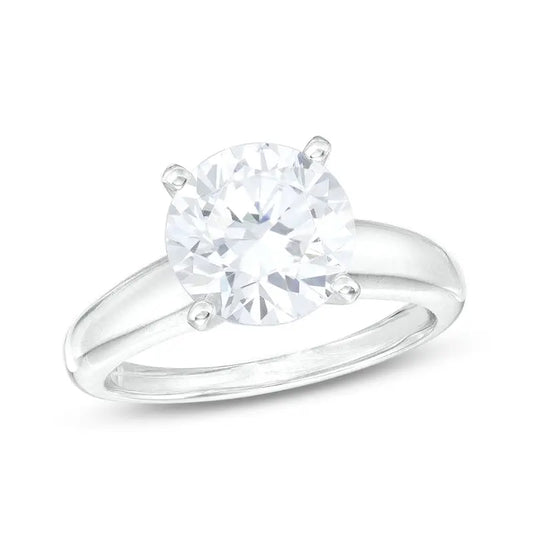











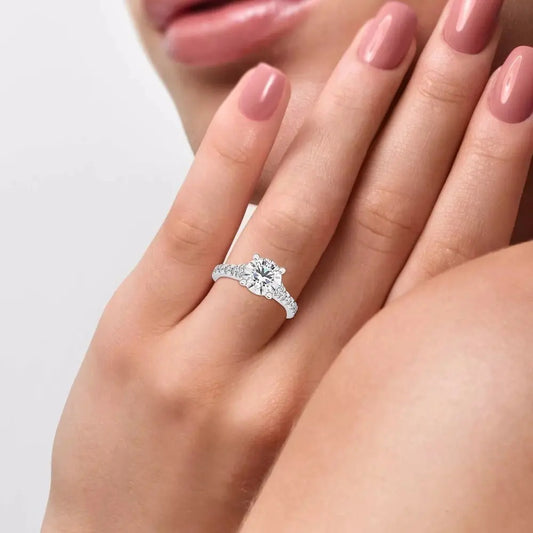
Collection: Lab Grown Diamond Rings For Sale
Lab Grown Diamond Rings For Sale, From $990
Shop lab grown diamond rings for sale at Future Jewelry: hundreds of styles in 14K and 18K gold, white gold, rose gold, yellow gold and platinum, starting at $990. Whether you want a lab grown diamond engagement ring, a diamond wedding band, an eternity ring or a lab grown diamond ring for women to wear every day, every center stone is IGI certified and ships free to Canada and the United States.
Shop By Category:
- Lab grown diamond engagement rings: oval, emerald, round, radiant, cushion cut
- Lab diamond wedding bands: eternity bands, pavé bands, plain bands
- Lab grown diamond fashion rings: statement rings, stackable rings
- Men's lab grown diamond rings: bold and refined
- Colored lab diamond rings: pink, yellow, blue diamonds
Free shipping on all orders. Lifetime warranty. Arrives in a luxury Future Jewelry gift box.
Everything You Need to Know About Lab Diamond Rings
Are lab diamonds real diamonds?
When customers ask me this, they're usually not asking about science. They're asking if they're getting ripped off. The answer is simple: yes, lab diamonds are real diamonds. They have the same chemical, physical, and optical properties as mined diamonds. If I put a lab diamond and a natural diamond side by side, even most jewelers couldn't tell the difference without specialized equipment. Same sparkle. Same durability. Same diamond.
Are lab diamonds worth it?
I usually ask customers a question back: would you rather have a 1 carat natural diamond or a 3 carat lab diamond for a similar budget? Most people immediately understand the value. They want the biggest, most beautiful diamond they can comfortably afford. Lab grown diamonds are worth it because they offer the same appearance and durability at a dramatically lower price, typically 60% to 90% less than comparable natural diamonds.
What are the disadvantages of lab grown diamonds?
The biggest disadvantage is resale value. If you're buying a diamond as an investment, neither natural nor lab diamonds are usually great investments compared to stocks or real estate. But most people aren't buying a ring to sell it later. They're buying it to wear, enjoy, and create memories with. Beyond resale value, there are no meaningful disadvantages. Lab diamonds are real diamonds in every measurable way.
Lab grown diamonds vs real diamonds: what's the difference?
Lab grown diamonds are real diamonds. I always clarify this. The only difference is where they came from. One was formed underground over millions of years. The other was created using advanced technology that recreates the exact same diamond-growing process. Same carbon structure. Same hardness. Same brilliance. Same certification from IGI and GIA.
Why are lab diamonds cheaper than natural diamonds?
Lab diamonds have a more efficient supply chain, lower production costs, and greater availability than mined diamonds. The lower price reflects the production method, not the quality. The diamond itself is identical. Natural diamond prices are also significantly inflated by decades of industry marketing and artificial scarcity control.
Are lab diamonds fake?
No. This is one of the most common misconceptions, often reinforced by traditional jewelers who make more money selling natural diamonds. Cubic zirconia is not a diamond. Glass is not a diamond. A lab diamond is a real diamond: pure carbon, IGI certified, identical in every measurable property to a mined stone.
Do lab diamonds lose their sparkle or get cloudy?
No. A lab diamond sparkles for the exact same reason a natural diamond does: its crystal structure and cut. If it looks dull, it usually just needs cleaning. Dirt, oils, and lotions can reduce sparkle temporarily, but a simple clean restores full brilliance. A properly grown lab diamond does not become cloudy over time.
Can you sell lab diamonds?
Yes. Lab diamonds can be resold, just like natural diamonds. The reality is both natural and lab diamonds often sell for less than their original retail price. The key advantage with lab diamonds is you paid far less upfront, so your financial exposure is dramatically lower.
How are lab diamonds made?
Lab grown diamonds are created using two processes, HPHT (High Pressure High Temperature) and CVD (Chemical Vapor Deposition), that recreate the conditions under which natural diamonds form deep within the earth. The result is pure carbon in the exact same crystal structure as a natural diamond. The process produces a diamond chemically and physically identical to one formed over billions of years.
What are lab diamonds?
Lab diamonds are real diamonds created in a controlled environment rather than mined from the earth. They are not moissanite, not cubic zirconia, not glass. They are pure carbon, graded by IGI and GIA using the same 4C standards as natural diamonds. Lab diamonds are real diamonds that look, perform, and last the same as natural diamonds while costing significantly less.
Lab Diamond Ring FAQs
What is the price of a lab grown diamond ring?
Lab grown diamond ring prices at Future Jewelry start at $990 for a 1 carat solitaire in 14K gold. 2 carat rings start around $1,000, 3 carat rings start at $1,546, and 4 to 5 carat rings run $2,700 to $8,000. A mined diamond of the same size and grade typically costs five to ten times more.
Are your diamonds certified?
Many of our rings come with IGI certification, which verifies the cut, color, clarity, and carat of your diamond. Certification details are listed on each product page.
Can I customize or engrave my ring?
Yes. We offer custom engraving on all rings and full customization options. Reach out and we'll help you design exactly what you have in mind.
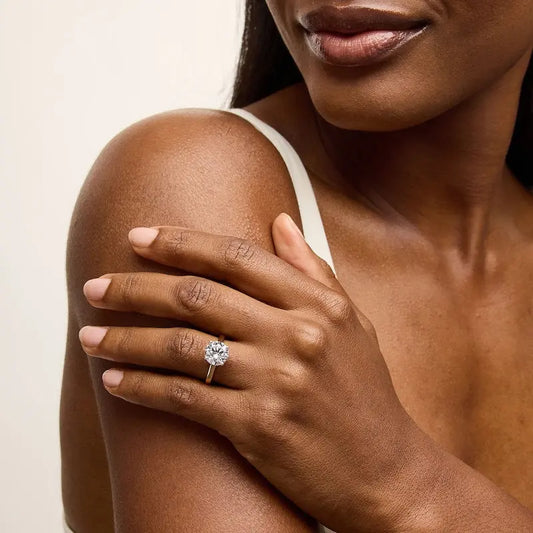
How big does a 3 carat lab diamond look?
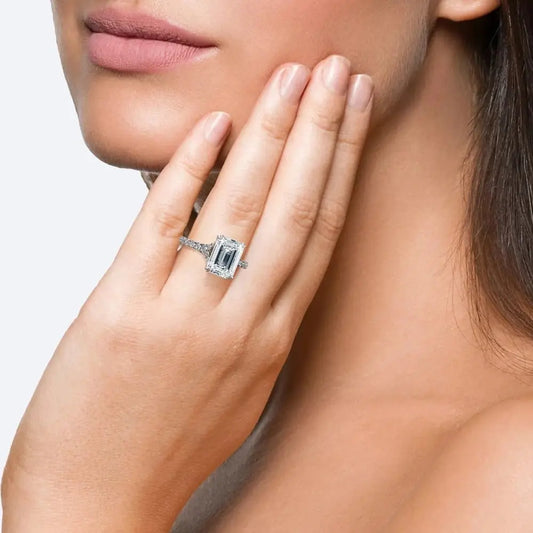
A 3 carat diamond typically measures 9 to 10mm across, depending on shape. Oval and radiant cuts can look even larger thanks to their elongated surface.
Do your rings come with a warranty?
Every Future Jewelry piece includes a lifetime warranty, lifetime support, and fully insured returns.
What if I have questions before buying?
Contact us anytime and we'll respond within 24 hours.
